All Categories
Featured
Table of Contents
A shop near a college school might have really various need patterns (a routine operate on bagels and lox at 1 a.m.) than one in a city's financial district (where traders might turn up for air at 11:30 a.m. for egg salad sandwiches). Other inventory management factors that grocers must think about include ideal delivery times, packaging requirements, and safety stock levels.
Foreseeable occasions, such as higher need for salads and drinks during summertime and more demand for soups and hot foods in the winter season, are simpler to prepare for.
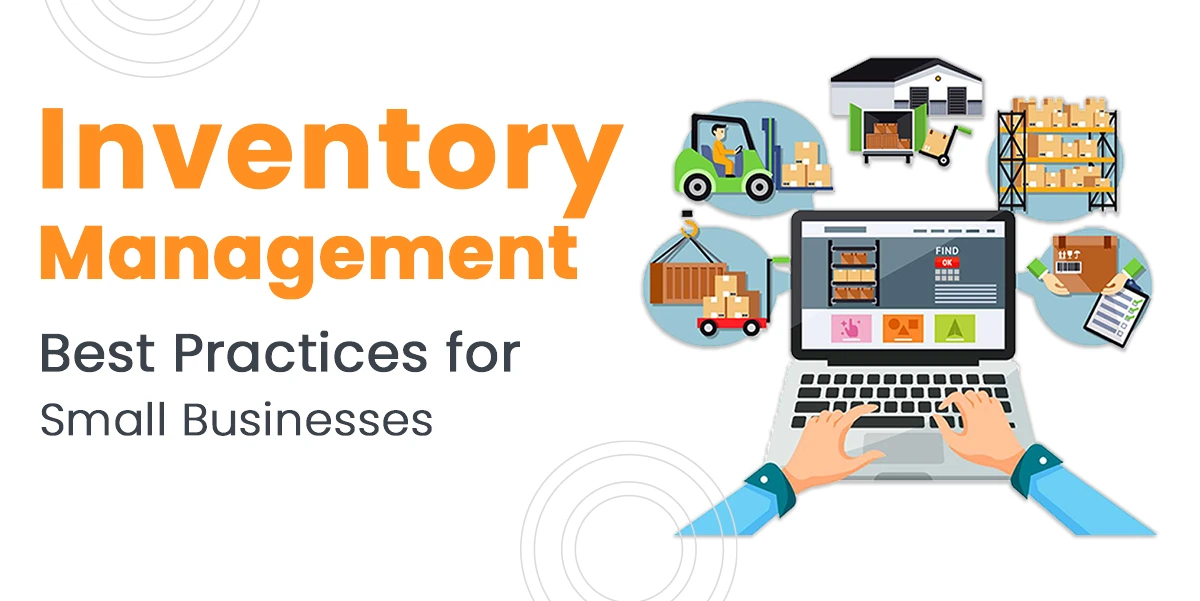
Inventory is one of the most important possessions for any organization, and reliable inventory management is specifically important in the busy world of e-commerce. You have to meet the need for fast delivery by guaranteeing there's always adequate stock to fulfill consumer orders, but without tying up money in excess inventory.
Stock can include raw products, parts, and finished items all set for sale. Stock management is the procedure of dealing with and monitoring this stock in the most effective way possible so that you always have the right quantity in the ideal location at the ideal time. It has to do with understanding just how much is needed and when to purchase it, and monitoring everything across several locations and sales channels.
Achieving Financial Sustainability through Automation
When ordering new stock for your warehouse, you must aim to order the economic order amount (EOQ). With Brightpearl stock management, you can track inventory throughout its journey and make precise projections to guarantee you fulfill future customer demand. Technically, the meaning of inventory management covers the duration in between stock showing up from a supplier and being delivered to a customerthat is, the time when it's in your warehouse or store.
Let's clear up the meaning of inventory management and inventory control. Stock control, order management, supply chain management, and storage facility management can all be covered by inventory management.
Bigger centers will have a specific receiving location where inventory products are examined and arranged before being put away. Each product is assigned an SKU (stock-keeping system) code, which is participated in your stock management system. Goods may also be tagged with barcodes or RFID (radio frequency identification) for easier tracking.
Whether you're selling online or through a physical store, your system must automatically upgrade inventory levels whenever a product is purchased (and if it's returned). All of these phases can be performed more efficiently with a properly managed process circulation so that everyone knows what's supposed to occur and when.
Meeting New Business Loan Criteria in 2026Proven Cost Reduction Strategies for Storefronts
The methods you use will differ according to various kinds of inventory, with some being more fit to certain businesses than others. Let's examine out a few of the primary methods of inventory management: ABC analysis works by dividing stock into 3 categories based on their value and amount. The idea is to determine the products that matter most to your service.
Source: Product in classification A are high in worth however low in amount, while category C items are low in worth but high in quantity. Category A goods are more pricey however offer gradually, so you do not need so numerous on hand.
You don't keep any security stock on hand. JIT can be perfect for smaller businesses that want to invest as little as possible in inventory and lower overhead expenditures.
The dropshipping method indicates that items are shipped directly from provider to customer instead of being kept at your location in between. You don't require to manage your stock at allyou just sell the items via your website and pass customer orders directly to the dropshipper. Smaller companies often prefer this method because it removes the expense of warehousing.
The consignor retains ownership of the stock up until it's soldat which point, the consignee pays.

Latest Posts
How Store Automation Secures Future Financial Sustainability
How SME Automation Reduces Overhead Costs in 2026
Is Automation the Key to Lower Costs?