All Categories
Featured
Table of Contents
Shift bidding allows agents to reveal preferences for readily available shift, typically based upon requirements like seniority and efficiency. It's a great method to engage teams while offering them more control over their work schedules. This is particularly useful in scenarios like seasonal or holiday staffing, hard-to-fill, or premium shifts. Instead of assigning shifts manually, managers can open them up for bidding, producing a more transparent process.
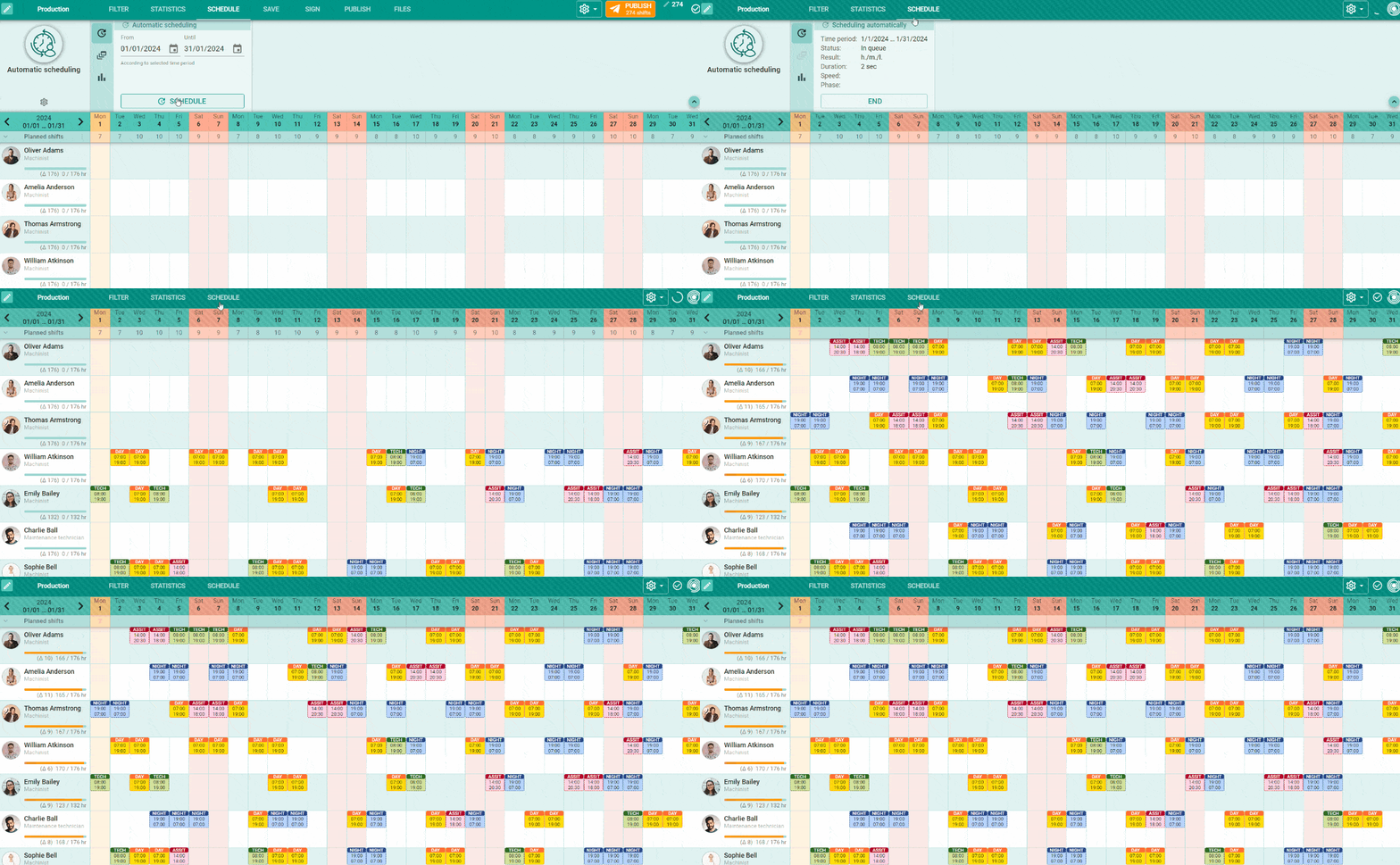
Combining AI and Boost Store Fiscal PlanningAutomated scheduling uses algorithms to balance factors like forecast need, labor laws, agent accessibility, labor laws, and staffing expenses. Instead of developing schedules from scratch, workforce planners can create optimized schedules in just a couple of clicks, then tweak them as needed. It's a powerful method to lower manual work and assistance more strategic planning.
Whether it's a new shift task or an approved time-off request, timely notifications assist keep everyone on the same page. As more contact centers shift to hybrid or totally remote groups, scheduling tools must evolve to support a distributed labor force.
Transforming Storefront Operations Through Digital Tools
Representatives can also view and handle their schedules on the go, helping everyone stay linked and lined up. As your company grows, your labor force scheduling system should evolve with your organization needs. Buying the right workforce scheduling software can enhance service levels, lower expenses, and assist you develop a more engaged workforce.
Curious how these features would work for your group? See how Element's scheduling capabilities balance contemporary workforce needs with uncomplicated functionality.
Rather than thinking the number of staff members you'll require, utilize genuine data to make educated scheduling choices. Look at previous sales reports, seasonal trends, and consumer traffic patterns. A popular seafood restaurant observed that their peak dinner rush happened earlier on weekends than weekdays. By changing the start time of evening shifts on Fridays and Saturdays, they lowered stress on the kitchen and enhanced service speed.
Mastering Store Inventory Management to Lower Costs
Workers value having some control over their schedules, and providing versatility can increase job fulfillment. A hotel chain enabled employees to set their preferred shifts within a turning schedule.
A manufacturing plant carried out an automatic shift alert system. When an employee hired sick, the system quickly notified pre-approved backup workers who could fill out, reducing downtime. Manual scheduling is not just time-consuming however also vulnerable to errors. Scheduling software like ShiftForce takes the uncertainty out of labor management by instantly creating optimized schedules based on need, accessibility, and compliance elements.
The system ensured that knowledgeable staff were constantly paired with brand-new hires, improving customer service and training performance. Employees need to understand their schedules beforehand and have a way to quickly access updates. Miscommunication causes disappointment and no-shows. A dining establishment supervisor switched from a printed schedule to a mobile scheduling app.
Combining AI and Boost Store Fiscal PlanningTrack overtime, make sure breaks are set up, and stay on top of local labor guidelines. A factory minimized unnecessary overtime costs by setting an automatic alert when employees approached their weekly hour limitations.
Frequently ask for input and make scheduling adjustments based on their needs where possible. After surveying workers, they discovered that unforeseeable schedules were the greatest frustration.
Strategic Expense Reduction Strategies for Local Storefronts
Effective employee scheduling is important to functional success across numerous markets, such as healthcare, higher education, and production. Staffing needs can move rapidly, making dependability vital. While standard scheduling approaches are prone to mistakes and inadequacies, contemporary worker scheduling options like TruPay's Staff member Scheduling Software Application offer a streamlined technique that optimizes shifts, guarantees compliance, and saves valuable time.
A constant method means all supervisors follow the very same steps for scheduling, making it easier to track staffing requirements, display overtime, and projection future needs properly. When everyone uses the exact same scheduling template or software application, ensuring compliance with labor laws and organizational policies is simpler. To implement this practice, develop a scheduling policy document that outlines best practices, manager expectations, and key deadlines.
It likewise permits HR departments to produce reputable reports for examining patterns in staffing requirements, hence enhancing decision-making. For organizations looking to keep top skill and enhance task complete satisfaction, versatile scheduling is essential. Allowing employees to switch shifts, demand time off, or work non-traditional hours when possible can lead to a healthier work-life balance, which is important in markets with high turnover rates, such as health care.

Latest Posts
How Store Automation Secures Future Financial Sustainability
How SME Automation Reduces Overhead Costs in 2026
Is Automation the Key to Lower Costs?